
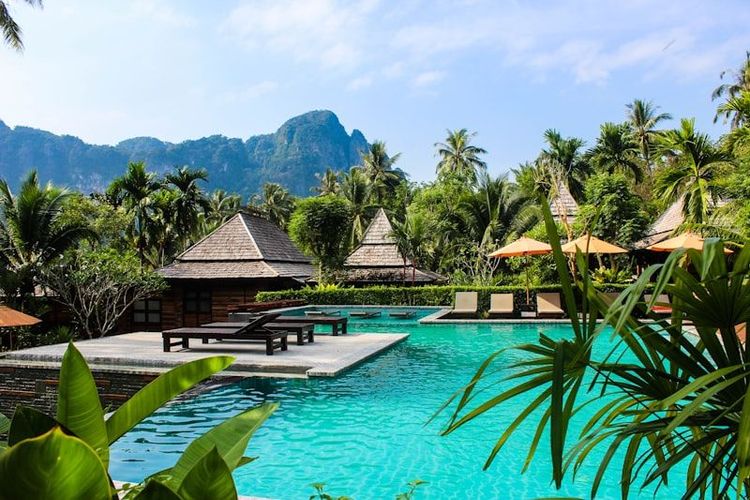
The Rise of Boutique Hotels in India's Secondary Cities
While metros remain competitive, India's secondary cities present untapped potential for boutique hotel development.
Why Secondary Cities?
1. Lower Entry Barriers:
- Affordable land costs (30-50% lower than metros)
- Lower construction expenses
- Competitive labor market
- Less regulatory complexity
2. Growing Demand:
- Rising domestic tourism
- Improved connectivity (airports, highways)
- Industrial growth driving business travel
- Destination weddings and events
3. Limited Competition:
- Fewer branded properties
- Quality accommodation gap
- First-mover advantages
Successful Secondary City Markets:
- Coorg, Karnataka: Plantation tourism
- Rishikesh, Uttarakhand: Spiritual & adventure tourism
- Gokarna, Karnataka: Beach destination
- Khajuraho, Madhya Pradesh: Heritage tourism
- Wayanad, Kerala: Eco-tourism
- Bandhavgarh, Madhya Pradesh: Wildlife tourism
Boutique Hotel Success Factors:
1. Strong Concept: Clear positioning and unique story
2. Design Excellence: Reflects local culture and landscape
3. Experiential Programming: Curated activities and experiences
4. Digital Marketing: Strong online presence and bookings
5. Service Quality: Personalized, memorable guest experiences
Financial Advantages:
- Higher profit margins (lower fixed costs)
- Faster break-even (18-36 months typical)
- Better ROI versus metro properties
- Lower brand fees (independent or soft brands)
Challenges:
- Limited infrastructure
- Staff training requirements
- Seasonality in some markets
- Marketing reach
Our expertise in secondary market development helps clients identify opportunities and execute successful boutique properties.
Ready to Transform Your Hospitality Vision?
Let's discuss how we can help you achieve your hospitality development goals.
Get In Touch